Whiteford

Colorado Law · Liquor Liability

When a drunk driver hurts someone, the driver isn't always the only responsible party. Colorado's dram shop law can reach the bar or restaurant that kept pouring — but only in specific circumstances.

You pay no fee unless we recover for you.Contingency representation for injury cases.

Free consultations — talk to us before you talk to an insurer

No fee unless we recover for you — contingency representation for injury cases

Denver based, with Whiteford's national trial platform behind every case

24/7 intake — a real conversation and a booked consultation, any hour

After a drunk driving crash, the natural focus is the driver. But somewhere earlier in that evening, there was often a moment when a bartender looked at a visibly intoxicated customer and poured another round anyway. Colorado's dram shop law exists for that moment — it allows injured people, in defined circumstances, to hold the licensed establishment accountable alongside the driver.

This matters for a practical reason as much as a moral one: drunk drivers frequently carry minimal insurance, while bars, restaurants, and their insurers can actually answer for catastrophic losses. A dram shop claim is often the difference between a judgment on paper and a recovery in fact.

But Colorado's version of the law is narrower than most people expect, with a demanding standard of proof, a cap on what can be recovered from the establishment, and an unusually short window for asserting the claim. Here's how it actually works.

What Colorado's dram shop law requires

Colorado does not make a bar liable simply because it served someone who later caused a crash. For an adult customer, liability generally requires proof that the establishment willfully and knowingly served alcohol to a person who was visibly intoxicated at the time. 'Visibly' is the load-bearing word: slurred speech, stumbling, bloodshot eyes, aggressive behavior — signs a reasonable server would have observed. Serving someone under the legal drinking age is treated separately and more strictly.

That standard makes evidence the whole game. Receipts and tab records showing the volume and pace of drinks, surveillance footage, statements from other patrons and staff, toxicology results extrapolated backward, and the establishment's training and overservice history all matter — and nearly all of it evaporates quickly. Footage gets overwritten, staff turn over, memories soften. Dram shop cases are won or lost in the first weeks after the crash.

  • Liability for serving adults requires willful and knowing service to a visibly intoxicated person
  • Serving underage drinkers triggers liability under a stricter standard
  • Colorado caps what can be recovered from the establishment itself, at a level well below what catastrophic injuries cost
  • The window for asserting a dram shop claim is significantly shorter than for ordinary injury claims
  • Social hosts face far narrower exposure than licensed establishments — chiefly for providing alcohol to minors

The law's limits — and why strategy matters

Two constraints shape every Colorado dram shop case. First, the recovery available from the establishment is capped by statute at an amount that serious injuries can exceed many times over, so a dram shop claim is almost always one layer of a broader case rather than the whole of it — pursued alongside the driver's liability coverage, your own underinsured motorist coverage, and any other responsible parties. Second, the deadline for bringing the claim is dramatically shorter than most injury deadlines, and injured families who wait to 'see how things go' with the driver's insurer can lose the bar claim without ever knowing they had one.

There's also a defensive dimension: expect the establishment to argue the intoxication wasn't visible, that service stopped appropriately, or that the drinker alone bears responsibility. Colorado's comparative-fault rules get layered on top. None of this makes these cases unwinnable — it makes them cases that reward early, aggressive evidence work and punish delay.

How we approach drunk driving cases with a dram shop angle

In every serious drunk driving case we evaluate, we ask where the alcohol came from — not as an afterthought, but as a first-week investigative priority. Preservation letters go out to the establishment for footage and records before they disappear. We interview witnesses while the night is still fresh in memory. And we map every insurance layer, because the realistic path to full recovery usually runs through several policies at once.

If you or someone you love was hurt by a drunk driver in Colorado, a free consultation with our Denver-based team will clarify whether a dram shop claim is realistic and what deadlines apply — and Whiteford's national trial platform stands behind the cases that need to be tried. If you'd rather orient yourself privately first, our free case estimator offers an honest starting point.


Colorado law, current

What changed for Colorado injury claims in 2025

$1.5M

Higher cap on non-economic damages

For most Colorado tort cases filed on or after January 1, 2025, HB24-1472 raised the cap on non-economic damages (pain, suffering, loss of enjoyment) to $1,500,000 — adjusted for inflation every two years beginning in 2028. Economic damages such as medical bills and lost income are generally not capped.

$2.125M

Wrongful-death non-economic cap

The same law raised the non-economic cap in wrongful-death actions to $2,125,000 and, for the first time, allows siblings of the deceased to bring wrongful-death claims in certain circumstances. Medical-liability cases follow separate, phased caps.

2–3 yrs

Deadlines still apply — and vary

Colorado's filing deadlines are unforgiving: generally two years for most injury claims and three years for motor-vehicle claims, with much shorter notice windows (182 days) for claims against government entities. Exceptions exist in both directions — confirm your specific deadline with an attorney promptly.

Sources: Colorado HB24-1472 (2024); C.R.S. §§ 13-21-102.5, 13-21-203, 13-80-101 et seq., 24-10-109. This summary is general information, not legal advice; amounts are subject to statutory adjustment and case-specific exceptions.

Not another "free consultation"

The Claim Game Plan Session

30 minutes with our Colorado team. You leave with a plan — whether or not you hire us.

You pay no fee unless we recover for you.

Contingency-fee representation for injury cases — fee structure and any case costs explained clearly, in writing, before you sign anything.

Your deadline check

Exactly which Colorado filing deadlines apply to your claim type — and how much runway you actually have.

Evidence-preservation checklist

What to save, photograph, and request right now for your specific incident type, before it disappears.

A straight answer

Whether your case actually needs a lawyer. If you'd do fine on your own, we'll tell you so — for free.

The insurer-conversation briefing

What recorded statements do, what adjusters listen for, and how people accidentally shrink their own claims.

You leave with all four — whether or not you ever hire us. No pressure, no obligation, no fine print.

How it works

A clear process, from first contact to resolution

01

Tell us what happened

A free, confidential conversation — or start with the two-minute case estimator. We listen first; there is no obligation and no pressure.

02

We investigate and preserve

Evidence disappears fast: camera footage gets overwritten, vehicles get repaired, witnesses scatter. We move early to preserve what proves your case.

03

We build the full value picture

Medical costs, future care, lost income, and the human losses Colorado law now values more fully. Insurers discount what isn't documented — we document.

04

Negotiate from strength — try when needed

Most cases resolve by negotiation. When an insurer won't be reasonable, your case is backed by a national trial platform that is genuinely prepared to go to court.

Your legal team

A Denver front door. A national trial platform.

Whiteford Mountain West pairs Colorado-based leadership with the trial depth of Whiteford's full national litigation platform — so serious cases get serious resources.

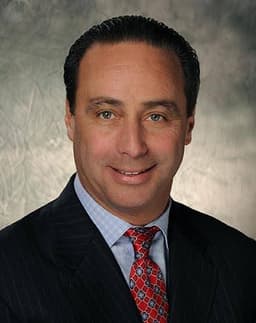
Jeffrey R. Schell, Managing Director, Whiteford Mountain West

Jeffrey R. Schell

Managing Director, Whiteford Mountain West

Denver, Colorado

Jeff Schell is a Denver-based partner at Whiteford and the Managing Director of Whiteford Mountain West. A Colorado attorney, he was named one of ColoradoBiz Magazine's 25 Most Influential Young Professionals in Colorado.

Masten Childers III, Partner · Trial Counsel, Personal Injury & Catastrophic Harm

Masten Childers III

Partner · Trial Counsel, Personal Injury & Catastrophic Harm

Whiteford national trial platform

Masten Childers III chairs Whiteford's Kentucky litigation practice and has been described as one of Kentucky's most formidable and versatile trial attorneys, with experience across state, federal, and appellate courts.

Paul M. Nussbaum, Partner · Senior Litigation Counsel

Paul M. Nussbaum

Partner · Senior Litigation Counsel

Whiteford national platform

Paul Nussbaum co-chairs Whiteford's Business Solutions, Restructuring & Financial Litigation section and co-manages the firm's New York City office, with decades of experience in high-stakes litigation involving multi-billion-dollar enterprises.

Attorneys are admitted in the jurisdictions listed in their official firm profiles. Colorado matters are led through Whiteford's Colorado-admitted attorneys; additional firm trial counsel appear in Colorado courts pro hac vice where appropriate and permitted.

Frequently asked questions

Can I sue a bar in Colorado for overserving the driver who hit me?

Potentially, yes — if the establishment willfully and knowingly served alcohol to the driver while they were visibly intoxicated, or served them underage. Simply proving the driver drank there isn't enough; the visible-intoxication standard requires evidence of what staff saw or should have seen. These claims also carry a much shorter filing window than ordinary injury claims, so the investigation needs to start quickly, before footage and witness memories disappear.

Is there a limit on what I can recover from the bar?

Yes. Colorado caps the amount recoverable from a licensed establishment in a dram shop claim, and the cap sits well below what catastrophic injuries actually cost. That's why experienced counsel treats the dram shop claim as one layer in a larger recovery strategy that typically includes the driver's liability policy, your own uninsured/underinsured motorist coverage, and any other responsible parties. The cap limits one source — it doesn't limit the case.

What evidence proves a dram shop case?

The strongest cases combine several strands: itemized tab and receipt records showing how much was served and how fast, surveillance video of the customer's condition, testimony from staff and other patrons, toxicology evidence extrapolated back to the time of service, and the establishment's training records and history of overservice complaints. Almost all of it is time-sensitive — video systems overwrite footage quickly, which is why preservation letters in the first days matter enormously.

Can a party host be sued the way a bar can?

Colorado treats social hosts much more leniently than licensed establishments. A private host generally isn't liable for serving alcohol to visibly intoxicated adult guests; meaningful social-host exposure arises chiefly when someone knowingly provides alcohol — or a place to drink it — to people under the legal drinking age. If an underage drinker caused your crash, both the source of the alcohol and any licensed seller involved deserve immediate investigation.

The drunk driver is facing criminal charges. Does that affect my civil claim?

The criminal case and your civil claim run on separate tracks with different standards of proof. A conviction or guilty plea can powerfully support your civil case, but you don't have to wait for the criminal process to finish before protecting your claim — and given the short dram shop window, waiting can be costly. Evidence gathered by prosecutors, including blood-alcohol results, often becomes available to strengthen the civil side.

What could your case be worth?

The free Colorado Case Value Snapshot walks through the factors that actually drive Colorado injury case value — severity, treatment, fault, and documented losses — and returns an educational range in about two minutes. No obligation, and no pressure. Want a real answer instead? Book a free Claim Game Plan Session and leave with a plan.

Educational estimate only — not legal advice, not a case valuation, and no attorney–client relationship is created.

Related Colorado injury resources