Whiteford

Denver · DUI Victim Claims

Being hit by a drunk driver is not an accident — it's the result of choices. Colorado law treats it that way, opening doors for victims that ordinary crash claims never reach.

You pay no fee unless we recover for you.Contingency representation for injury cases.

Free consultations — talk to us before you talk to an insurer

No fee unless we recover for you — contingency representation for injury cases

Denver based, with Whiteford's national trial platform behind every case

24/7 intake — a real conversation and a booked consultation, any hour

There's a particular anger that comes with being injured by a drunk driver — the knowledge that every part of it was preventable. Someone chose to drink, chose to drive, and you're the one in the hospital. That anger deserves somewhere productive to go, and Colorado's civil justice system provides it: DUI victim claims are among the strongest injury cases the law recognizes.

They're stronger for three reasons. Fault is usually clear, often anchored by a criminal case running in parallel. Punitive damages — compensation designed to punish willful and wanton conduct, not just repay losses — become available in a way they rarely are in ordinary crashes. And in some cases, Colorado's dram shop law adds a second defendant: the bar or liquor store that kept serving a visibly intoxicated person before handing them their keys.

Whiteford Mountain West represents DUI crash victims and their families from our Denver office, backed by Whiteford's national trial platform. This page explains how these claims work.

Why DUI victim claims are different — and stronger

In an ordinary crash, insurers argue endlessly about fault. In a DUI case, the driver's intoxication — documented through arrest records, chemical testing, and the criminal proceeding — usually settles that question early and shifts the fight to damages, where the victim's documentation controls. The criminal case also generates evidence your civil claim can use: police reports, test results, witness statements, and sometimes a conviction or guilty plea.

Then there's the punitive layer. Colorado allows punitive damages where conduct is willful and wanton, and driving drunk is a textbook example. Punitive exposure changes settlement negotiations fundamentally: insurers evaluating an ordinary claim ask what the injuries cost; insurers evaluating a punitive-eligible claim ask what a Denver jury will do with an outraged set of facts. That fear is leverage — but only if your counsel is credibly prepared to try the case.

  • Intoxication evidence from the criminal case anchors civil fault
  • Punitive damages become available for willful and wanton conduct
  • A criminal conviction or plea can powerfully support the civil claim
  • Victims may pursue their claim regardless of how the criminal case resolves
  • Restitution in the criminal case doesn't replace — or cap — your civil recovery

Dram shop claims — when the bar shares the blame

Colorado's dram shop law allows injury claims against liquor licensees — bars, restaurants, liquor stores — in limited circumstances, chiefly when they served someone visibly intoxicated or served a minor. These claims matter most when the drunk driver is underinsured, which is common — and then the business that profited from over-serving may be the only meaningfully insured defendant.

But Colorado's dram shop framework is deliberately narrow, with its own liability limits and notably short deadlines — far less forgiving than ordinary injury timelines. Proving visible intoxication at the time of service takes fast work: receipts and tab records, point-of-sale data, surveillance footage from the bar, and witness accounts from staff and patrons, all of which degrade or disappear within weeks. If a dram shop claim might exist in your case, it's a reason to get counsel involved immediately.

How we build a Denver DUI victim case

We coordinate with the criminal proceeding without waiting on it — preserving bar and scene evidence immediately, obtaining the investigative record as it becomes available, and identifying every source of recovery: the driver's policy, dram shop defendants, and your own uninsured or underinsured motorist coverage, which often becomes central when the drunk driver's limits fall short of serious injuries.

The damages case gets full rigor: current and future treatment, lost income and earning capacity, and the human losses Colorado's 2025 damages-law changes made more significant — plus the punitive case built on the driver's conduct. If you're weighing whether your situation justifies counsel, start with a free consultation or our free case estimator; both give you an honest read at no cost, with no pressure to proceed.


Colorado law, current

What changed for Colorado injury claims in 2025

$1.5M

Higher cap on non-economic damages

For most Colorado tort cases filed on or after January 1, 2025, HB24-1472 raised the cap on non-economic damages (pain, suffering, loss of enjoyment) to $1,500,000 — adjusted for inflation every two years beginning in 2028. Economic damages such as medical bills and lost income are generally not capped.

$2.125M

Wrongful-death non-economic cap

The same law raised the non-economic cap in wrongful-death actions to $2,125,000 and, for the first time, allows siblings of the deceased to bring wrongful-death claims in certain circumstances. Medical-liability cases follow separate, phased caps.

2–3 yrs

Deadlines still apply — and vary

Colorado's filing deadlines are unforgiving: generally two years for most injury claims and three years for motor-vehicle claims, with much shorter notice windows (182 days) for claims against government entities. Exceptions exist in both directions — confirm your specific deadline with an attorney promptly.

Sources: Colorado HB24-1472 (2024); C.R.S. §§ 13-21-102.5, 13-21-203, 13-80-101 et seq., 24-10-109. This summary is general information, not legal advice; amounts are subject to statutory adjustment and case-specific exceptions.

Not another "free consultation"

The Claim Game Plan Session

30 minutes with our Colorado team. You leave with a plan — whether or not you hire us.

You pay no fee unless we recover for you.

Contingency-fee representation for injury cases — fee structure and any case costs explained clearly, in writing, before you sign anything.

Your deadline check

Exactly which Colorado filing deadlines apply to your claim type — and how much runway you actually have.

Evidence-preservation checklist

What to save, photograph, and request right now for your specific incident type, before it disappears.

A straight answer

Whether your case actually needs a lawyer. If you'd do fine on your own, we'll tell you so — for free.

The insurer-conversation briefing

What recorded statements do, what adjusters listen for, and how people accidentally shrink their own claims.

You leave with all four — whether or not you ever hire us. No pressure, no obligation, no fine print.

How it works

A clear process, from first contact to resolution

01

Tell us what happened

A free, confidential conversation — or start with the two-minute case estimator. We listen first; there is no obligation and no pressure.

02

We investigate and preserve

Evidence disappears fast: camera footage gets overwritten, vehicles get repaired, witnesses scatter. We move early to preserve what proves your case.

03

We build the full value picture

Medical costs, future care, lost income, and the human losses Colorado law now values more fully. Insurers discount what isn't documented — we document.

04

Negotiate from strength — try when needed

Most cases resolve by negotiation. When an insurer won't be reasonable, your case is backed by a national trial platform that is genuinely prepared to go to court.

Your legal team

A Denver front door. A national trial platform.

Whiteford Mountain West pairs Colorado-based leadership with the trial depth of Whiteford's full national litigation platform — so serious cases get serious resources.

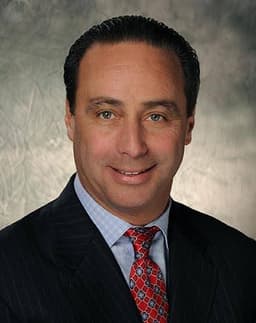
Jeffrey R. Schell, Managing Director, Whiteford Mountain West

Jeffrey R. Schell

Managing Director, Whiteford Mountain West

Denver, Colorado

Jeff Schell is a Denver-based partner at Whiteford and the Managing Director of Whiteford Mountain West. A Colorado attorney, he was named one of ColoradoBiz Magazine's 25 Most Influential Young Professionals in Colorado.

Masten Childers III, Partner · Trial Counsel, Personal Injury & Catastrophic Harm

Masten Childers III

Partner · Trial Counsel, Personal Injury & Catastrophic Harm

Whiteford national trial platform

Masten Childers III chairs Whiteford's Kentucky litigation practice and has been described as one of Kentucky's most formidable and versatile trial attorneys, with experience across state, federal, and appellate courts.

Paul M. Nussbaum, Partner · Senior Litigation Counsel

Paul M. Nussbaum

Partner · Senior Litigation Counsel

Whiteford national platform

Paul Nussbaum co-chairs Whiteford's Business Solutions, Restructuring & Financial Litigation section and co-manages the firm's New York City office, with decades of experience in high-stakes litigation involving multi-billion-dollar enterprises.

Attorneys are admitted in the jurisdictions listed in their official firm profiles. Colorado matters are led through Whiteford's Colorado-admitted attorneys; additional firm trial counsel appear in Colorado courts pro hac vice where appropriate and permitted.

Frequently asked questions

The drunk driver was arrested. Do I still need my own lawyer?

Yes. The criminal case belongs to prosecutors and serves the public — it punishes the driver but doesn't compensate you beyond limited restitution. Your civil claim is separate, is yours alone, and is where your medical bills, lost income, pain, and the punitive case actually get addressed. The criminal proceeding generates evidence your civil lawyer can use, but nobody in that courtroom is responsible for making you whole. That takes your own counsel.

What are punitive damages, and will they apply to my case?

Punitive damages punish and deter willful and wanton conduct rather than compensate a specific loss — and driving drunk is one of the clearest examples Colorado law recognizes. Their availability changes how insurers evaluate your claim, because the downside of trial grows dramatically. Colorado places its own rules and limits around punitive awards, and they must be properly pled and proven, so whether and how to pursue them is a strategic decision your attorney makes with you.

Can I sue the bar that served the drunk driver?

Possibly. Colorado's dram shop law permits claims against a bar, restaurant, or liquor store that served a visibly intoxicated person or a minor who then injured someone. These claims are deliberately limited, carry their own caps, and run on notably short deadlines — and the proof, like surveillance footage and tab records, disappears quickly. When the driver is underinsured, a dram shop claim can be the difference between a symbolic recovery and a real one, so it should be evaluated immediately.

The drunk driver has minimal insurance. Is my claim worthless?

No — this is exactly where experienced counsel earns its keep. Beyond the driver's policy, we look at dram shop liability against the business that over-served them, your own uninsured/underinsured motorist coverage, umbrella policies, and whether the driver was working at the time, which can bring an employer's coverage into play. Serious DUI injuries with a minimally insured driver are a coverage puzzle before they're a negotiation, and puzzles have solutions.

Should I wait for the criminal case to finish before pursuing my claim?

No — waiting is one of the most common and costly mistakes DUI victims make. Colorado's filing deadlines vary by claim type and can be short, dram shop deadlines are shorter still, and evidence like bar surveillance footage disappears within weeks regardless of the criminal calendar. Your civil claim can be built in parallel and often benefits from the criminal case's progress. A free consultation now preserves every option without committing you to anything.

What could a Denver case like yours be worth?

The free Colorado Case Value Snapshot walks through the factors that actually drive Colorado injury case value — severity, treatment, fault, and documented losses — and returns an educational range in about two minutes. No obligation, and no pressure. Want a real answer instead? Book a free Claim Game Plan Session and leave with a plan.

Educational estimate only — not legal advice, not a case valuation, and no attorney–client relationship is created.

Related Colorado injury resources