Whiteford

Denver · Car Accidents

After a serious crash on I-25, I-70, or a Denver arterial, the insurance company starts building its file the same day. We help you build yours — starting with a free, pressure-free conversation.

You pay no fee unless we recover for you.Contingency representation for injury cases.

Free consultations — talk to us before you talk to an insurer

No fee unless we recover for you — contingency representation for injury cases

Denver based, with Whiteford's national trial platform behind every case

24/7 intake — a real conversation and a booked consultation, any hour

A serious car crash in Denver drops you into two fights at once: recovering physically, and dealing with an insurance company whose adjusters handle claims like yours every day. You've likely never done this before. They do it for a living — and their first offer usually reflects that imbalance.

Whiteford Mountain West exists to level that imbalance. We're the Colorado front door of Whiteford, a full-service firm with a national trial platform, led locally from our office in Denver's Highland neighborhood. You deal with a Denver-based attorney who knows these roads and these courts — with serious litigation depth behind every case we take.

This page explains how car accident claims tend to work in Denver, what actually drives their value, and the early decisions that protect — or quietly damage — your recovery.

Why Denver crashes are rarely 'simple' claims

Denver's crash patterns create legal complexity that generic advice misses. The I-25/I-70 interchange system produces multi-vehicle chain collisions where fault is genuinely contested among three or four drivers. High-traffic arterials like Federal, Colfax, and Colorado Boulevard mix commuter traffic with pedestrians and cyclists, so injury severity runs high even at city speeds. And winter brings a predictable wave of ice-related collisions where every driver involved insists the weather — not their following distance — was to blame.

Each of those patterns changes how a claim should be handled. Multi-vehicle pileups demand early evidence work before stories harden. Contested-fault cases rise or fall on camera footage, event-data-recorder downloads, and witness statements that disappear within weeks. Weather cases turn on whether a driver was going too fast for conditions — which Colorado law treats as negligence, not bad luck.

  • Multi-vehicle chain collisions on I-25 and I-70 often involve genuinely disputed fault allocation
  • Arterial-road crashes produce serious injuries even at moderate speeds
  • Icy-road collisions still have at-fault drivers — 'the weather' is not a legal defense when speed wasn't adjusted for conditions
  • Rideshare, delivery, and commercial vehicles add layers of insurance coverage most people never find on their own

What actually drives the value of a Denver car accident case

Insurance companies calculate settlement ranges from a handful of concrete inputs: documented medical treatment and its projected future course, lost income and reduced earning capacity, the clarity of fault, and the human losses — pain, disrupted routines, activities given up — that Colorado law compensates as non-economic damages. Colorado's 2025 damages-law changes meaningfully raised what injured people may recover for those human losses, which makes thorough documentation matter more than it ever has. The specifics of those changes are summarized further down this page.

The single most common way Denver claimants lose value is a treatment gap: waiting weeks to see a doctor, or stopping care early because life got busy. Adjusters read gaps as evidence the injury wasn't serious. The second most common is giving a recorded statement to the other driver's insurer in the first fog-filled days — politely declining until you've had a free consultation costs nothing and protects a great deal.

How our Denver team approaches your case

We start with listening — a free consultation where the goal is an honest assessment, not a signature. If we believe you'd do just as well handling a minor claim yourself, we'll say so. If your case warrants counsel, we move quickly on the things that decay: preservation letters for camera footage and vehicle data, witness contact, and a complete picture of your treatment trajectory before any conversation about numbers.

Because Whiteford Mountain West is backed by a national trial platform, insurers can't apply their usual discount for 'this firm never tries cases.' Preparation for trial and preparation for a strong settlement are the same preparation — done early, and done thoroughly.


Colorado law, current

What changed for Colorado injury claims in 2025

$1.5M

Higher cap on non-economic damages

For most Colorado tort cases filed on or after January 1, 2025, HB24-1472 raised the cap on non-economic damages (pain, suffering, loss of enjoyment) to $1,500,000 — adjusted for inflation every two years beginning in 2028. Economic damages such as medical bills and lost income are generally not capped.

$2.125M

Wrongful-death non-economic cap

The same law raised the non-economic cap in wrongful-death actions to $2,125,000 and, for the first time, allows siblings of the deceased to bring wrongful-death claims in certain circumstances. Medical-liability cases follow separate, phased caps.

2–3 yrs

Deadlines still apply — and vary

Colorado's filing deadlines are unforgiving: generally two years for most injury claims and three years for motor-vehicle claims, with much shorter notice windows (182 days) for claims against government entities. Exceptions exist in both directions — confirm your specific deadline with an attorney promptly.

Sources: Colorado HB24-1472 (2024); C.R.S. §§ 13-21-102.5, 13-21-203, 13-80-101 et seq., 24-10-109. This summary is general information, not legal advice; amounts are subject to statutory adjustment and case-specific exceptions.

Not another "free consultation"

The Claim Game Plan Session

30 minutes with our Colorado team. You leave with a plan — whether or not you hire us.

You pay no fee unless we recover for you.

Contingency-fee representation for injury cases — fee structure and any case costs explained clearly, in writing, before you sign anything.

Your deadline check

Exactly which Colorado filing deadlines apply to your claim type — and how much runway you actually have.

Evidence-preservation checklist

What to save, photograph, and request right now for your specific incident type, before it disappears.

A straight answer

Whether your case actually needs a lawyer. If you'd do fine on your own, we'll tell you so — for free.

The insurer-conversation briefing

What recorded statements do, what adjusters listen for, and how people accidentally shrink their own claims.

You leave with all four — whether or not you ever hire us. No pressure, no obligation, no fine print.

How it works

A clear process, from first contact to resolution

01

Tell us what happened

A free, confidential conversation — or start with the two-minute case estimator. We listen first; there is no obligation and no pressure.

02

We investigate and preserve

Evidence disappears fast: camera footage gets overwritten, vehicles get repaired, witnesses scatter. We move early to preserve what proves your case.

03

We build the full value picture

Medical costs, future care, lost income, and the human losses Colorado law now values more fully. Insurers discount what isn't documented — we document.

04

Negotiate from strength — try when needed

Most cases resolve by negotiation. When an insurer won't be reasonable, your case is backed by a national trial platform that is genuinely prepared to go to court.

Your legal team

A Denver front door. A national trial platform.

Whiteford Mountain West pairs Colorado-based leadership with the trial depth of Whiteford's full national litigation platform — so serious cases get serious resources.

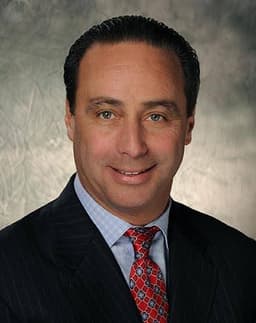
Jeffrey R. Schell, Managing Director, Whiteford Mountain West

Jeffrey R. Schell

Managing Director, Whiteford Mountain West

Denver, Colorado

Jeff Schell is a Denver-based partner at Whiteford and the Managing Director of Whiteford Mountain West. A Colorado attorney, he was named one of ColoradoBiz Magazine's 25 Most Influential Young Professionals in Colorado.

Masten Childers III, Partner · Trial Counsel, Personal Injury & Catastrophic Harm

Masten Childers III

Partner · Trial Counsel, Personal Injury & Catastrophic Harm

Whiteford national trial platform

Masten Childers III chairs Whiteford's Kentucky litigation practice and has been described as one of Kentucky's most formidable and versatile trial attorneys, with experience across state, federal, and appellate courts.

Paul M. Nussbaum, Partner · Senior Litigation Counsel

Paul M. Nussbaum

Partner · Senior Litigation Counsel

Whiteford national platform

Paul Nussbaum co-chairs Whiteford's Business Solutions, Restructuring & Financial Litigation section and co-manages the firm's New York City office, with decades of experience in high-stakes litigation involving multi-billion-dollar enterprises.

Attorneys are admitted in the jurisdictions listed in their official firm profiles. Colorado matters are led through Whiteford's Colorado-admitted attorneys; additional firm trial counsel appear in Colorado courts pro hac vice where appropriate and permitted.

Frequently asked questions

What should I do in the first week after a Denver car accident?

Get medically evaluated even if you feel 'mostly fine' — adrenaline masks injuries, and late-appearing symptoms are common with soft-tissue and head injuries. Photograph everything, keep every document, report the crash to your own insurer, and decline recorded statements from the other driver's insurance company until you've spoken with an attorney. Most injury firms, including ours, offer free consultations, so getting oriented costs nothing.

How long do I have to file a car accident lawsuit in Colorado?

Motor-vehicle injury claims generally have a longer filing window than other Colorado injury claims, but important exceptions cut it much shorter — especially claims involving government vehicles or road conditions, which require formal notice within months, not years. The safest approach is to have an attorney confirm your specific deadlines early, while evidence still exists.

The insurance company already offered me a settlement. Should I take it?

Early offers usually arrive before the full cost of your injuries is knowable — before you know whether that shoulder needs surgery or that headache resolves. Once you sign a release, the claim is over, even if your condition worsens. Before accepting anything, it's worth a free consultation and, at minimum, a clear picture of your projected treatment. An offer that's fair won't disappear because you took a week to evaluate it.

What if I was partly at fault for the crash?

Colorado follows a modified comparative negligence rule: your recovery is reduced by your percentage of fault, and barred entirely once your share of fault reaches the statutory threshold (summarized in the law section on this page). Insurers know this and routinely overstate a claimant's share of blame. Partial fault does not mean no case — it means fault allocation becomes a fight worth having with representation.

How much does a Denver car accident lawyer cost?

We offer free consultations, and injury representation is typically available on a contingency-fee basis — meaning fees come from the recovery rather than your pocket, and are discussed transparently before you sign anything. You can also use our free case estimator first to get an educational sense of your situation before talking to anyone.

What could a Denver case like yours be worth?

The free Colorado Case Value Snapshot walks through the factors that actually drive Colorado injury case value — severity, treatment, fault, and documented losses — and returns an educational range in about two minutes. No obligation, and no pressure. Want a real answer instead? Book a free Claim Game Plan Session and leave with a plan.

Educational estimate only — not legal advice, not a case valuation, and no attorney–client relationship is created.

Related Colorado injury resources