Whiteford

Denver · Uninsured Motorist Claims

You paid for UM/UIM coverage for exactly this moment. Now your own insurance company is the one questioning your injuries — and that changes how the claim has to be handled.

You pay no fee unless we recover for you.Contingency representation for injury cases.

Free consultations — talk to us before you talk to an insurer

No fee unless we recover for you — contingency representation for injury cases

Denver based, with Whiteford's national trial platform behind every case

24/7 intake — a real conversation and a booked consultation, any hour

It's a scenario Denver drivers discover at the worst possible time: the crash wasn't your fault, your injuries are real, and the driver who caused it either has no insurance at all or carries a minimum policy that won't come close to covering your losses. A surprising share of Colorado drivers are on the road uninsured, and many more carry only the legal minimum — which serious medical bills can exhaust almost immediately.

This is what uninsured and underinsured motorist coverage exists for. Colorado law requires insurers to offer UM/UIM coverage with every auto policy, so most Denver drivers have it even if they don't remember buying it. When the at-fault driver can't pay, your own policy steps into their shoes — covering medical care, lost income, and the human losses Colorado law recognizes, up to your UM/UIM limits.

The catch is structural: the company evaluating your injuries is now the company that profits by paying less, and the friendly relationship you had as a premium-paying customer changes the moment you become a claimant. Whiteford Mountain West handles UM/UIM claims from our Denver office, backed by Whiteford's national trial platform. This page explains how the coverage works, why Colorado's rules are more claimant-friendly than most people realize, and how bad-faith leverage gets built.

How UM/UIM coverage actually works in Colorado

Uninsured motorist coverage applies when the at-fault driver has no insurance — including most hit-and-run scenarios. Underinsured motorist coverage applies when they have insurance but your damages exceed their limits. In the underinsured situation, Colorado's rules work in your favor: your UM/UIM benefits generally stack on top of what the at-fault driver's policy paid rather than being reduced by it, meaning the two sources combine toward covering your actual losses. Insurers don't always volunteer that framing.

Coverage questions get technical quickly: which household policies apply, whether multiple vehicles' coverages can be combined, how settlements with the at-fault driver must be handled to preserve your UIM rights. There are genuine traps here — settling with the underinsured driver without proper notice to your own insurer can jeopardize the UIM claim. Sequencing matters, and it's worth getting right before signing anything.

  • Colorado insurers must offer UM/UIM coverage with every auto policy — rejection has to be affirmative
  • UIM benefits generally add to the at-fault driver's payment rather than being offset by it
  • Hit-and-run victims can typically claim under UM coverage even when the driver is never found
  • Multiple policies in a household may provide coverage for the same crash
  • Settling with the at-fault driver without notifying your UIM insurer first can forfeit benefits

When your own insurer becomes the adversary — and bad faith

A UM/UIM claim inverts the usual relationship. Your insurer's adjuster now evaluates your injuries the way an opposing carrier would: questioning treatment, suggesting pre-existing causes, delaying, and offering below documented losses. The difference is that your insurer owes you duties an opposing carrier doesn't. Colorado law requires insurers to handle their own policyholders' claims in good faith — to investigate fairly, evaluate honestly, and pay what's owed without unreasonable delay or denial.

When they don't, Colorado recognizes claims for unreasonable delay or denial of benefits, with consequences that can exceed the policy itself. That leverage is real, but it must be built: clear documentation of your losses, a well-supported demand, and a record of how the insurer responded. Handled properly from the start, the bad-faith framework is often what moves a stubborn UM/UIM claim from lowball to fair.

How we handle Denver UM/UIM claims

We start by mapping every coverage that might apply — your policies, household policies, and the at-fault driver's — because UM/UIM cases are frequently worth more than the first policy an adjuster mentions. Then we build the injury documentation completely before any numbers conversation, and we make the record: demands supported by evidence, deadlines stated, responses documented. If the insurer handles the claim fairly, that record simply resolves the case. If it doesn't, the record becomes the bad-faith claim.

If you're facing an uninsured driver, a minimal policy, or a hit-and-run, start with a free consultation — or use our free case estimator for an educational first read on your situation. Call (720) 821-3784 before giving your insurer a recorded statement or signing anything. The coverage you paid for is worth protecting properly.


Colorado law, current

What changed for Colorado injury claims in 2025

$1.5M

Higher cap on non-economic damages

For most Colorado tort cases filed on or after January 1, 2025, HB24-1472 raised the cap on non-economic damages (pain, suffering, loss of enjoyment) to $1,500,000 — adjusted for inflation every two years beginning in 2028. Economic damages such as medical bills and lost income are generally not capped.

$2.125M

Wrongful-death non-economic cap

The same law raised the non-economic cap in wrongful-death actions to $2,125,000 and, for the first time, allows siblings of the deceased to bring wrongful-death claims in certain circumstances. Medical-liability cases follow separate, phased caps.

2–3 yrs

Deadlines still apply — and vary

Colorado's filing deadlines are unforgiving: generally two years for most injury claims and three years for motor-vehicle claims, with much shorter notice windows (182 days) for claims against government entities. Exceptions exist in both directions — confirm your specific deadline with an attorney promptly.

Sources: Colorado HB24-1472 (2024); C.R.S. §§ 13-21-102.5, 13-21-203, 13-80-101 et seq., 24-10-109. This summary is general information, not legal advice; amounts are subject to statutory adjustment and case-specific exceptions.

Not another "free consultation"

The Claim Game Plan Session

30 minutes with our Colorado team. You leave with a plan — whether or not you hire us.

You pay no fee unless we recover for you.

Contingency-fee representation for injury cases — fee structure and any case costs explained clearly, in writing, before you sign anything.

Your deadline check

Exactly which Colorado filing deadlines apply to your claim type — and how much runway you actually have.

Evidence-preservation checklist

What to save, photograph, and request right now for your specific incident type, before it disappears.

A straight answer

Whether your case actually needs a lawyer. If you'd do fine on your own, we'll tell you so — for free.

The insurer-conversation briefing

What recorded statements do, what adjusters listen for, and how people accidentally shrink their own claims.

You leave with all four — whether or not you ever hire us. No pressure, no obligation, no fine print.

How it works

A clear process, from first contact to resolution

01

Tell us what happened

A free, confidential conversation — or start with the two-minute case estimator. We listen first; there is no obligation and no pressure.

02

We investigate and preserve

Evidence disappears fast: camera footage gets overwritten, vehicles get repaired, witnesses scatter. We move early to preserve what proves your case.

03

We build the full value picture

Medical costs, future care, lost income, and the human losses Colorado law now values more fully. Insurers discount what isn't documented — we document.

04

Negotiate from strength — try when needed

Most cases resolve by negotiation. When an insurer won't be reasonable, your case is backed by a national trial platform that is genuinely prepared to go to court.

Your legal team

A Denver front door. A national trial platform.

Whiteford Mountain West pairs Colorado-based leadership with the trial depth of Whiteford's full national litigation platform — so serious cases get serious resources.

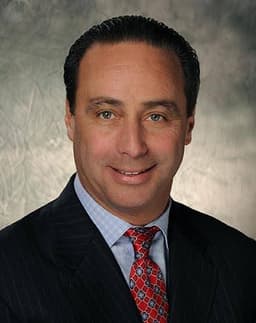
Jeffrey R. Schell, Managing Director, Whiteford Mountain West

Jeffrey R. Schell

Managing Director, Whiteford Mountain West

Denver, Colorado

Jeff Schell is a Denver-based partner at Whiteford and the Managing Director of Whiteford Mountain West. A Colorado attorney, he was named one of ColoradoBiz Magazine's 25 Most Influential Young Professionals in Colorado.

Masten Childers III, Partner · Trial Counsel, Personal Injury & Catastrophic Harm

Masten Childers III

Partner · Trial Counsel, Personal Injury & Catastrophic Harm

Whiteford national trial platform

Masten Childers III chairs Whiteford's Kentucky litigation practice and has been described as one of Kentucky's most formidable and versatile trial attorneys, with experience across state, federal, and appellate courts.

Paul M. Nussbaum, Partner · Senior Litigation Counsel

Paul M. Nussbaum

Partner · Senior Litigation Counsel

Whiteford national platform

Paul Nussbaum co-chairs Whiteford's Business Solutions, Restructuring & Financial Litigation section and co-manages the firm's New York City office, with decades of experience in high-stakes litigation involving multi-billion-dollar enterprises.

Attorneys are admitted in the jurisdictions listed in their official firm profiles. Colorado matters are led through Whiteford's Colorado-admitted attorneys; additional firm trial counsel appear in Colorado courts pro hac vice where appropriate and permitted.

Frequently asked questions

The driver who hit me has no insurance. Do I have any real options?

Very likely yes. If you carry UM coverage — which Colorado insurers must offer with every policy, so most drivers have it — you can bring your injury claim against your own insurer as if it stood in the uninsured driver's shoes. That covers medical care, lost income, and non-economic losses up to your UM limits. Suing the uninsured driver personally is technically possible but usually impractical; people who don't buy insurance rarely have assets worth pursuing. The UM claim is the real path.

What's the difference between uninsured and underinsured motorist coverage?

Uninsured coverage applies when the at-fault driver has no insurance at all, including most hit-and-run cases. Underinsured coverage applies when they have insurance but your losses exceed their limits — a common outcome when a serious injury meets a minimum-limits policy. In Colorado, UIM benefits generally stack on top of the at-fault driver's payment rather than being reduced by it. Most policies bundle both coverages together, and the same claim can move from one to the other as facts develop.

Will my insurance company treat me fairly since I'm their customer?

Don't count on the relationship — count on the law. Once you file a UM/UIM claim, your insurer's financial interest is in paying less, and its adjusters evaluate your injuries the way an opposing carrier would. What protects you is Colorado's good-faith requirement: your insurer must investigate fairly, evaluate honestly, and pay without unreasonable delay, and Colorado law gives policyholders real remedies when it doesn't. Documenting the claim carefully from the start is what makes those remedies available if you need them.

Can I settle with the at-fault driver's insurer and still make a UIM claim?

Yes, but the sequence matters enormously. Colorado UIM claims typically require notifying your own insurer before finalizing a settlement with the underinsured driver, so your insurer can protect its rights. Settling and signing a release without that notice can jeopardize or forfeit your UIM benefits entirely — an expensive, irreversible mistake that happens to unrepresented claimants regularly. Before accepting any liability settlement when your damages might exceed the at-fault driver's limits, have an attorney confirm the steps. It's a short conversation that protects a large claim.

How much does a Denver uninsured motorist lawyer cost?

Consultations are free, and UM/UIM representation is typically handled on contingency — fees come from the recovery, not your pocket, with terms explained in writing before you commit. Given that these claims pit you against your own insurer's professionals, representation tends to pay for itself in claim value and in avoiding coverage-forfeiting mistakes. If you'd like an educational read on your situation first, our free case estimator is a pressure-free place to start.

What could a Denver case like yours be worth?

The free Colorado Case Value Snapshot walks through the factors that actually drive Colorado injury case value — severity, treatment, fault, and documented losses — and returns an educational range in about two minutes. No obligation, and no pressure. Want a real answer instead? Book a free Claim Game Plan Session and leave with a plan.

Educational estimate only — not legal advice, not a case valuation, and no attorney–client relationship is created.

Related Colorado injury resources