Whiteford

Colorado · After the crash

The crash took four seconds. The next fourteen days decide almost everything else.

Nobody plans for the week after a car accident. Here's what it usually looks like — and the quiet decisions inside it that shape what happens to you for the next year.

The first day is adrenaline and logistics. Police, tow trucks, phone calls, a rental car if you're lucky. You feel shaken but mostly okay, and you tell everyone so — the officer, your family, the other driver's insurance adjuster who calls with impressive speed and remarkable friendliness.

The second week is where it actually gets decided. The soreness that was 'probably nothing' is still there. The adjuster calls again — they'd just like a quick recorded statement, purely routine. There's a settlement figure mentioned, casually, that would cover the ER visit and a bit more. It's all very reasonable-sounding. And this is the exact moment where people who've never done this before — which is nearly everyone — quietly give away most of the value of their claim.

What's really happening in that second week

Three clocks are running that nobody tells you about. Your medical picture is still developing — soft-tissue injuries, disc problems, and concussions routinely reveal themselves late, and any settlement you sign before you understand your injuries is final, no matter what shows up afterward. The evidence is decaying — nearby camera footage gets overwritten in days, the vehicles get repaired or scrapped, and witnesses' memories soften. And the record is being built — that friendly recorded statement, your quick 'I'm fine!' texts, the treatment gap while you waited to see if it would pass: all of it becomes the file the insurer uses to value your claim.

None of this requires anyone to be villainous. Adjusters are doing their jobs, and their job is to close claims early and inexpensively. The system simply rewards the prepared — which is exactly why what you do in the first fourteen days matters more than almost anything after.

Two minutes from now, you can know what actually drives the value of a case like yours.

Free and confidential. Educational only — not legal advice, not a valuation, no attorney–client relationship created.


Colorado law, current

What changed for Colorado injury claims in 2025

$1.5M

Higher cap on non-economic damages

For most Colorado tort cases filed on or after January 1, 2025, HB24-1472 raised the cap on non-economic damages (pain, suffering, loss of enjoyment) to $1,500,000 — adjusted for inflation every two years beginning in 2028. Economic damages such as medical bills and lost income are generally not capped.

$2.125M

Wrongful-death non-economic cap

The same law raised the non-economic cap in wrongful-death actions to $2,125,000 and, for the first time, allows siblings of the deceased to bring wrongful-death claims in certain circumstances. Medical-liability cases follow separate, phased caps.

2–3 yrs

Deadlines still apply — and vary

Colorado's filing deadlines are unforgiving: generally two years for most injury claims and three years for motor-vehicle claims, with much shorter notice windows (182 days) for claims against government entities. Exceptions exist in both directions — confirm your specific deadline with an attorney promptly.

Sources: Colorado HB24-1472 (2024); C.R.S. §§ 13-21-102.5, 13-21-203, 13-80-101 et seq., 24-10-109. This summary is general information, not legal advice; amounts are subject to statutory adjustment and case-specific exceptions.

Not another "free consultation"

The Claim Game Plan Session

30 minutes with our Colorado team. You leave with a plan — whether or not you hire us.

You pay no fee unless we recover for you.

Contingency-fee representation for injury cases — fee structure and any case costs explained clearly, in writing, before you sign anything.

Your deadline check

Exactly which Colorado filing deadlines apply to your claim type — and how much runway you actually have.

Evidence-preservation checklist

What to save, photograph, and request right now for your specific incident type, before it disappears.

A straight answer

Whether your case actually needs a lawyer. If you'd do fine on your own, we'll tell you so — for free.

The insurer-conversation briefing

What recorded statements do, what adjusters listen for, and how people accidentally shrink their own claims.

You leave with all four — whether or not you ever hire us. No pressure, no obligation, no fine print.

Your legal team

A Denver front door. A national trial platform.

Whiteford Mountain West pairs Colorado-based leadership with the trial depth of Whiteford's full national litigation platform — so serious cases get serious resources.

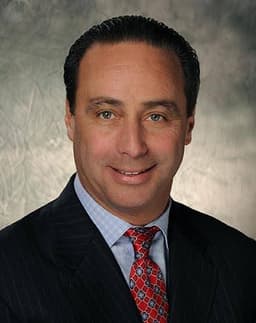
Jeffrey R. Schell, Managing Director, Whiteford Mountain West

Jeffrey R. Schell

Managing Director, Whiteford Mountain West

Denver, Colorado

Jeff Schell is a Denver-based partner at Whiteford and the Managing Director of Whiteford Mountain West. A Colorado attorney, he was named one of ColoradoBiz Magazine's 25 Most Influential Young Professionals in Colorado.

Masten Childers III, Partner · Trial Counsel, Personal Injury & Catastrophic Harm

Masten Childers III

Partner · Trial Counsel, Personal Injury & Catastrophic Harm

Whiteford national trial platform

Masten Childers III chairs Whiteford's Kentucky litigation practice and has been described as one of Kentucky's most formidable and versatile trial attorneys, with experience across state, federal, and appellate courts.

Paul M. Nussbaum, Partner · Senior Litigation Counsel

Paul M. Nussbaum

Partner · Senior Litigation Counsel

Whiteford national platform

Paul Nussbaum co-chairs Whiteford's Business Solutions, Restructuring & Financial Litigation section and co-manages the firm's New York City office, with decades of experience in high-stakes litigation involving multi-billion-dollar enterprises.

Attorneys are admitted in the jurisdictions listed in their official firm profiles. Colorado matters are led through Whiteford's Colorado-admitted attorneys; additional firm trial counsel appear in Colorado courts pro hac vice where appropriate and permitted.