Whiteford

Vail · Ski Accidents

A collision on a crowded Vail run or a lift incident above the Back Bowls can end a season — or change a life. We help injured skiers get an honest answer about whether they have a claim, starting with a free consultation.

You pay no fee unless we recover for you.Contingency representation for injury cases.

Free consultations — talk to us before you talk to an insurer

No fee unless we recover for you — contingency representation for injury cases

Denver based, with Whiteford's national trial platform behind every case

24/7 intake — a real conversation and a booked consultation, any hour

Vail's scale is what makes it magnificent — and what makes it dangerous. Enormous visitor volume from around the world funnels onto shared catwalks, busy lift mazes, and intermediate cruisers where skill levels collide. When a skier bombing Riva Ridge or a crowded Mid-Vail run loses control, the person they hit rarely saw it coming.

Injured guests then meet a well-oiled machine: patrol paperwork, courteous incident staff, and season-pass waivers — all built around the resort's interests, not yours. Many people leave the mountain assuming they signed away any claim they had. Often, that assumption is wrong.

Whiteford Mountain West, the Colorado front door of Whiteford's national trial platform, represents people injured at Vail, Beaver Creek, and across Eagle County. This page explains how these claims really work — including the limits of those waivers.

Who's actually responsible when you're hurt at Vail

Colorado's Ski Safety Act sorts every mountain injury into categories. Resorts are shielded from claims arising from the sport's inherent dangers — terrain, weather, snow conditions. But skiers owe duties to each other, most importantly the uphill skier's duty to avoid people below. A visitor who ran you down on a groomer breached a duty; your claim is against that person, and no resort waiver you signed has anything to do with it.

Claims against the resort itself are harder but not impossible. Improperly marked man-made hazards, snowmaking or vehicle operations on open runs, and lift incidents each involve duties the resort cannot define away. Season-pass and ticket waivers are drafted broadly, but they don't cover everything the law requires of an operator — which is why 'you signed a waiver' should be the start of an analysis, not the end of one.

  • Skier-collision claims proceed against the at-fault skier — frequently a visitor whose homeowner's or umbrella policy provides coverage
  • Congested zones like lift mazes, catwalks, and Mid-Vail crossings are where control-and-yield duties matter most
  • Resort-operations claims — unmarked equipment, vehicles on runs, lift issues — stand apart from pure inherent-risk injuries
  • Patrol incident reports and lift records sit in the resort's hands, making early preservation demands essential

The Vail-specific realities: tourists, evidence, and Eagle County

Most people who cause injuries at Vail don't live in Colorado. Within days they're home in Texas, Florida, or overseas — and the practical work of a Vail case becomes identification and coverage: pass scans, lift records, witness names from the patrol report, and the at-fault visitor's insurance back home. That work either happens quickly or often doesn't happen at all.

When cases are filed, they're typically litigated in Eagle County, where judges and jury pools know skiing intimately. That cuts both ways: no one needs the sport explained, but resort-friendly assumptions run deep in a resort economy. Preparing these cases for that specific courtroom — with a trial platform behind them — is what moves insurers off their opening positions.

How we handle Vail ski injury cases

We start with a free consultation and a candid sort of your facts: inherent risk, breached skier duty, or resort-operations failure. If the honest answer is that you don't have a viable claim, we'll say so and explain why. If you do, we move fast on the evidence that scatters — patrol reports, witnesses, lift data — and we pursue every layer of available coverage, including policies most injured guests never think to look for.

If you'd like to get oriented before speaking with anyone, our free case estimator gives an educational read on the factors that drive injury-case value. When you're ready to talk, the consultation is free: (720) 821-3784.


Colorado law, current

What changed for Colorado injury claims in 2025

$1.5M

Higher cap on non-economic damages

For most Colorado tort cases filed on or after January 1, 2025, HB24-1472 raised the cap on non-economic damages (pain, suffering, loss of enjoyment) to $1,500,000 — adjusted for inflation every two years beginning in 2028. Economic damages such as medical bills and lost income are generally not capped.

$2.125M

Wrongful-death non-economic cap

The same law raised the non-economic cap in wrongful-death actions to $2,125,000 and, for the first time, allows siblings of the deceased to bring wrongful-death claims in certain circumstances. Medical-liability cases follow separate, phased caps.

2–3 yrs

Deadlines still apply — and vary

Colorado's filing deadlines are unforgiving: generally two years for most injury claims and three years for motor-vehicle claims, with much shorter notice windows (182 days) for claims against government entities. Exceptions exist in both directions — confirm your specific deadline with an attorney promptly.

Sources: Colorado HB24-1472 (2024); C.R.S. §§ 13-21-102.5, 13-21-203, 13-80-101 et seq., 24-10-109. This summary is general information, not legal advice; amounts are subject to statutory adjustment and case-specific exceptions.

Not another "free consultation"

The Claim Game Plan Session

30 minutes with our Colorado team. You leave with a plan — whether or not you hire us.

You pay no fee unless we recover for you.

Contingency-fee representation for injury cases — fee structure and any case costs explained clearly, in writing, before you sign anything.

Your deadline check

Exactly which Colorado filing deadlines apply to your claim type — and how much runway you actually have.

Evidence-preservation checklist

What to save, photograph, and request right now for your specific incident type, before it disappears.

A straight answer

Whether your case actually needs a lawyer. If you'd do fine on your own, we'll tell you so — for free.

The insurer-conversation briefing

What recorded statements do, what adjusters listen for, and how people accidentally shrink their own claims.

You leave with all four — whether or not you ever hire us. No pressure, no obligation, no fine print.

How it works

A clear process, from first contact to resolution

01

Tell us what happened

A free, confidential conversation — or start with the two-minute case estimator. We listen first; there is no obligation and no pressure.

02

We investigate and preserve

Evidence disappears fast: camera footage gets overwritten, vehicles get repaired, witnesses scatter. We move early to preserve what proves your case.

03

We build the full value picture

Medical costs, future care, lost income, and the human losses Colorado law now values more fully. Insurers discount what isn't documented — we document.

04

Negotiate from strength — try when needed

Most cases resolve by negotiation. When an insurer won't be reasonable, your case is backed by a national trial platform that is genuinely prepared to go to court.

Your legal team

A Denver front door. A national trial platform.

Whiteford Mountain West pairs Colorado-based leadership with the trial depth of Whiteford's full national litigation platform — so serious cases get serious resources.

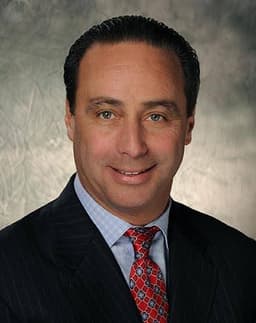
Jeffrey R. Schell, Managing Director, Whiteford Mountain West

Jeffrey R. Schell

Managing Director, Whiteford Mountain West

Denver, Colorado

Jeff Schell is a Denver-based partner at Whiteford and the Managing Director of Whiteford Mountain West. A Colorado attorney, he was named one of ColoradoBiz Magazine's 25 Most Influential Young Professionals in Colorado.

Masten Childers III, Partner · Trial Counsel, Personal Injury & Catastrophic Harm

Masten Childers III

Partner · Trial Counsel, Personal Injury & Catastrophic Harm

Whiteford national trial platform

Masten Childers III chairs Whiteford's Kentucky litigation practice and has been described as one of Kentucky's most formidable and versatile trial attorneys, with experience across state, federal, and appellate courts.

Paul M. Nussbaum, Partner · Senior Litigation Counsel

Paul M. Nussbaum

Partner · Senior Litigation Counsel

Whiteford national platform

Paul Nussbaum co-chairs Whiteford's Business Solutions, Restructuring & Financial Litigation section and co-manages the firm's New York City office, with decades of experience in high-stakes litigation involving multi-billion-dollar enterprises.

Attorneys are admitted in the jurisdictions listed in their official firm profiles. Colorado matters are led through Whiteford's Colorado-admitted attorneys; additional firm trial counsel appear in Colorado courts pro hac vice where appropriate and permitted.

Frequently asked questions

A skier hit me at Vail and left. Can anything be done?

Often, yes — if the work starts quickly. Colorado law requires skiers involved in injury collisions to identify themselves, and those who flee can sometimes still be found through patrol response, witness accounts, pass and lift-scan data, and camera coverage near lifts. That evidence cycles out fast, and visiting skiers leave the state within days. If identification truly proves impossible, we'll tell you directly rather than keep a hopeless file open.

Does my Epic Pass waiver prevent me from suing?

It doesn't prevent claims against another skier who hit you — that waiver runs between you and the resort, not between you and a negligent stranger. As for claims against the resort itself, waivers are enforced in Colorado but have limits; they can't erase every duty the law imposes on an operator. Whether yours bars your particular claim depends entirely on what caused your injury. That's a question for a free consultation, not an assumption.

I was hurt on a lift at Vail. Is that different from a skiing injury?

Meaningfully different. Lifts are regulated transportation, and their operation — especially loading and unloading, where most incidents happen — carries duties beyond the inherent-risk framework that covers skiing itself. Operator attentiveness, ramp conditions, and maintenance histories all become evidence, and the records live with the resort and state oversight bodies. Lift cases deserve prompt, specific investigation; they should never be waved off as 'just part of skiing.'

What is a Vail ski injury claim worth?

It depends on documented inputs, not the location's glamour: your medical treatment and projected future care, lost income while you recover, clarity of fault, and non-economic damages for pain and lost quality of life — a category Colorado's 2025 damages-law changes meaningfully expanded. Ski injuries often involve surgeries and long rehabilitation, which raises stakes on documentation. Anyone quoting you a number before reviewing records is guessing; our case estimator offers an honest educational starting point instead.

How quickly do I need to act after a Vail ski accident?

Legally, deadlines vary by claim type and defendant, and some are short. Practically, the real deadlines are faster: the at-fault skier flies home, witnesses scatter across the country, and resort records cycle. The most valuable steps — obtaining the patrol report, preserving lift data, locating witnesses — are early-window work. A free consultation within days or weeks of the injury, not months, keeps every option open while you focus on healing.

What could a Vail case like yours be worth?

The free Colorado Case Value Snapshot walks through the factors that actually drive Colorado injury case value — severity, treatment, fault, and documented losses — and returns an educational range in about two minutes. No obligation, and no pressure. Want a real answer instead? Book a free Claim Game Plan Session and leave with a plan.

Educational estimate only — not legal advice, not a case valuation, and no attorney–client relationship is created.

Related Colorado injury resources