Whiteford

Colorado · Intersection Crashes

Side-impact crashes pair the worst injuries with the most contested fault fights — two drivers, two stories, one green light. Winning means proving whose story the evidence supports.

You pay no fee unless we recover for you.Contingency representation for injury cases.

Free consultations — talk to us before you talk to an insurer

No fee unless we recover for you — contingency representation for injury cases

Denver based, with Whiteford's national trial platform behind every case

24/7 intake — a real conversation and a booked consultation, any hour

A T-bone crash gives you no warning and almost no protection. A car door is all that stands between a broadside impact and your body — no crumple zone, no engine block, just inches of sheet metal. That's why side-impact collisions so often produce head injuries, chest and pelvic trauma, and shoulder damage out of proportion to the speeds involved.

They also produce the purest fault disputes in traffic law: both drivers swear the light was green, or that the other rolled the stop sign. Whiteford Mountain West, the Colorado front door of Whiteford's national trial platform, builds intersection cases on evidence that doesn't depend on anyone's memory.

This page explains how fault actually gets proven at Colorado intersections, why signal-timing and camera evidence matter so much, and how side-impact injury patterns shape case value.

Two drivers, two stories: how intersection fault really gets proven

In a typical T-bone case, the police arrive after the fact, each driver claims the right of way, and the officer's report often reflects a judgment call rather than hard proof. Insurers exploit that ambiguity — a genuinely disputed intersection crash is one they can argue down or deny. The answer is to replace testimony with physics and records: where the vehicles came to rest, the crush profiles, event-data-recorder downloads showing each car's speed and braking, and every camera with a view of the intersection.

Witnesses matter too, but the right ones. A driver two cars back who watched the light cycle is worth more than a passenger in either vehicle, and independent witnesses scatter within minutes. Canvassing for them — and for the doorbell and business cameras nobody thinks to check — is day-one work in a serious intersection case.

  • Vehicle event-data recorders capture speed, braking, and throttle in the seconds before impact
  • Traffic, transit, business, and doorbell cameras frequently cover Colorado intersections
  • Crush profiles and resting positions let reconstruction experts test each driver's story
  • Independent witnesses who saw the signal cycle are the most valuable and the fastest to disappear

Signal-timing evidence: the record most claims never pull

Modern traffic signals are managed systems. Cities and CDOT maintain timing plans showing phase lengths, clearance intervals, and, at many intersections, detection logs recording when vehicles triggered sensors and when phases changed. That data can do something remarkable: corroborate or destroy a driver's account of the light. If the defendant entered on a phase that had already ended, the timing records say so — regardless of what anyone remembers.

This evidence rarely surfaces on its own. It has to be requested from the right agency, sometimes preserved before routine system overwrites, and interpreted alongside camera footage and event-data downloads. It's specialized work, and it's a meaningful part of why represented intersection claims resolve differently than he-said-she-said files.

Why side-impact injuries change the value conversation

Side-impact victims absorb crash forces with almost no structure between them and the striking vehicle, which is why these cases regularly involve traumatic brain injuries, rib and lung trauma, pelvic and hip fractures, and lasting shoulder and spine damage. Treatment runs long, and some of these injuries — especially head injuries — declare themselves gradually. Settling before the medical picture matures is how side-impact victims get shortchanged, because the claim's value tracks the documented trajectory of treatment, lost income, and the human losses Colorado law compensates.

Our Denver-based team starts with a free consultation and an honest read on your fault evidence and your injuries. If you'd like an educational starting point first, our free case estimator walks through the factors that actually drive value.


Colorado law, current

What changed for Colorado injury claims in 2025

$1.5M

Higher cap on non-economic damages

For most Colorado tort cases filed on or after January 1, 2025, HB24-1472 raised the cap on non-economic damages (pain, suffering, loss of enjoyment) to $1,500,000 — adjusted for inflation every two years beginning in 2028. Economic damages such as medical bills and lost income are generally not capped.

$2.125M

Wrongful-death non-economic cap

The same law raised the non-economic cap in wrongful-death actions to $2,125,000 and, for the first time, allows siblings of the deceased to bring wrongful-death claims in certain circumstances. Medical-liability cases follow separate, phased caps.

2–3 yrs

Deadlines still apply — and vary

Colorado's filing deadlines are unforgiving: generally two years for most injury claims and three years for motor-vehicle claims, with much shorter notice windows (182 days) for claims against government entities. Exceptions exist in both directions — confirm your specific deadline with an attorney promptly.

Sources: Colorado HB24-1472 (2024); C.R.S. §§ 13-21-102.5, 13-21-203, 13-80-101 et seq., 24-10-109. This summary is general information, not legal advice; amounts are subject to statutory adjustment and case-specific exceptions.

Not another "free consultation"

The Claim Game Plan Session

30 minutes with our Colorado team. You leave with a plan — whether or not you hire us.

You pay no fee unless we recover for you.

Contingency-fee representation for injury cases — fee structure and any case costs explained clearly, in writing, before you sign anything.

Your deadline check

Exactly which Colorado filing deadlines apply to your claim type — and how much runway you actually have.

Evidence-preservation checklist

What to save, photograph, and request right now for your specific incident type, before it disappears.

A straight answer

Whether your case actually needs a lawyer. If you'd do fine on your own, we'll tell you so — for free.

The insurer-conversation briefing

What recorded statements do, what adjusters listen for, and how people accidentally shrink their own claims.

You leave with all four — whether or not you ever hire us. No pressure, no obligation, no fine print.

How it works

A clear process, from first contact to resolution

01

Tell us what happened

A free, confidential conversation — or start with the two-minute case estimator. We listen first; there is no obligation and no pressure.

02

We investigate and preserve

Evidence disappears fast: camera footage gets overwritten, vehicles get repaired, witnesses scatter. We move early to preserve what proves your case.

03

We build the full value picture

Medical costs, future care, lost income, and the human losses Colorado law now values more fully. Insurers discount what isn't documented — we document.

04

Negotiate from strength — try when needed

Most cases resolve by negotiation. When an insurer won't be reasonable, your case is backed by a national trial platform that is genuinely prepared to go to court.

Your legal team

A Denver front door. A national trial platform.

Whiteford Mountain West pairs Colorado-based leadership with the trial depth of Whiteford's full national litigation platform — so serious cases get serious resources.

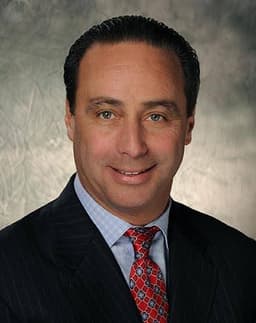
Jeffrey R. Schell, Managing Director, Whiteford Mountain West

Jeffrey R. Schell

Managing Director, Whiteford Mountain West

Denver, Colorado

Jeff Schell is a Denver-based partner at Whiteford and the Managing Director of Whiteford Mountain West. A Colorado attorney, he was named one of ColoradoBiz Magazine's 25 Most Influential Young Professionals in Colorado.

Masten Childers III, Partner · Trial Counsel, Personal Injury & Catastrophic Harm

Masten Childers III

Partner · Trial Counsel, Personal Injury & Catastrophic Harm

Whiteford national trial platform

Masten Childers III chairs Whiteford's Kentucky litigation practice and has been described as one of Kentucky's most formidable and versatile trial attorneys, with experience across state, federal, and appellate courts.

Paul M. Nussbaum, Partner · Senior Litigation Counsel

Paul M. Nussbaum

Partner · Senior Litigation Counsel

Whiteford national platform

Paul Nussbaum co-chairs Whiteford's Business Solutions, Restructuring & Financial Litigation section and co-manages the firm's New York City office, with decades of experience in high-stakes litigation involving multi-billion-dollar enterprises.

Attorneys are admitted in the jurisdictions listed in their official firm profiles. Colorado matters are led through Whiteford's Colorado-admitted attorneys; additional firm trial counsel appear in Colorado courts pro hac vice where appropriate and permitted.

Frequently asked questions

The other driver claims they had the green light. How can I prove they didn't?

With evidence that doesn't rely on memory: camera footage from traffic systems, businesses, buses, or doorbells; event-data-recorder downloads showing each vehicle's speed and braking; signal timing and detection records from the agency that runs the intersection; and independent witnesses who watched the light cycle. Assembled together, these usually resolve the dispute decisively. The catch is time — footage gets overwritten and witnesses disappear, so this work has to start quickly.

The police report blames me, but I know I had the right of way. Is my case over?

No. A police report is an officer's after-the-fact assessment, often based on driver statements and limited scene time — it's influential, but it isn't a verdict, and civil cases regularly come out differently once real evidence is developed. Camera footage, event-data downloads, signal records, and reconstruction analysis can overcome a report's initial conclusion. If you're certain the report is wrong, that's precisely the situation where a lawyer's early investigation matters most.

Why are T-bone injuries often worse than the vehicle damage suggests?

Because the occupant, not the vehicle, absorbs the force. Side structures offer far less crush space than a front end, so the impact reaches the body faster and harder — producing head injuries from window and pillar strikes, chest and pelvic trauma, and spine and shoulder damage even at city speeds. Some of these injuries emerge over days or weeks, which is why prompt medical evaluation and follow-through matter both for your health and your claim.

What if we were both found partly at fault for the intersection crash?

Colorado's comparative-fault rules can reduce or bar recovery depending on how blame is allocated, which is exactly why insurers push to inflate your share in disputed intersection cases. Partial fault does not mean no case — it means the allocation fight is where the money is. Strong physical and records-based evidence typically shrinks the share of blame an insurer can plausibly pin on you, and that shift often changes the outcome more than any other factor.

How long do I have to bring a claim after a T-bone crash in Colorado?

Colorado's filing deadlines vary by claim type and can be short — and cases involving government vehicles, transit buses, or claims about the intersection itself carry formal notice requirements on a much tighter clock. The practical deadline is usually the evidence: camera systems overwrite footage in days or weeks, and signal data can be lost to routine cycles. A prompt, free consultation lets us confirm your specific deadlines and get preservation letters out.

What could your case be worth?

The free Colorado Case Value Snapshot walks through the factors that actually drive Colorado injury case value — severity, treatment, fault, and documented losses — and returns an educational range in about two minutes. No obligation, and no pressure. Want a real answer instead? Book a free Claim Game Plan Session and leave with a plan.

Educational estimate only — not legal advice, not a case valuation, and no attorney–client relationship is created.

Related Colorado injury resources