Whiteford

Denver · Construction Accidents

Workers' comp pays some of the bills. It doesn't pay for pain, full lost wages, or your family's losses. On most Denver job sites, someone besides your employer may owe you the rest.

You pay no fee unless we recover for you.Contingency representation for injury cases.

Free consultations — talk to us before you talk to an insurer

No fee unless we recover for you — contingency representation for injury cases

Denver based, with Whiteford's national trial platform behind every case

24/7 intake — a real conversation and a booked consultation, any hour

Denver has been building for years — towers along the Platte, infill projects across RiNo and the central neighborhoods, warehouses out toward the airport, and endless roadwork on I-25 and I-70. Every one of those sites depends on workers doing genuinely dangerous jobs at height, around heavy equipment, in trenches, and near live traffic. When something goes wrong, the injuries are rarely minor: falls, crush injuries, electrocutions, struck-by incidents involving equipment or vehicles.

Most injured construction workers are told the same thing within days: 'You're covered by workers' comp.' That's true as far as it goes — and it doesn't go far. Workers' compensation covers medical care and a portion of wages, but nothing for pain, nothing for the full scope of lost earning capacity, nothing for what your spouse and kids lose. What that early conversation conveniently omits is the third-party claim: the separate lawsuit you may have against someone other than your employer who helped cause the injury.

Whiteford Mountain West investigates Denver construction accidents from our office in the Highland neighborhood, backed by Whiteford's national trial platform. This page explains how third-party claims work, who the defendants usually are, and why the difference between 'a comp claim' and 'a comp claim plus a third-party case' can define your family's recovery.

Third-party claims: the case beyond workers' comp

Workers' compensation is a trade: you get benefits without proving fault, and in exchange you generally can't sue your own employer. But that bargain only binds you and your employer. Modern Denver job sites are crowded with other companies — general contractors, other trades' subcontractors, equipment lessors, delivery drivers, property owners, engineers — and none of them are shielded by your employer's comp coverage. If their negligence contributed to your injury, you can pursue them in a full civil claim for everything comp doesn't pay.

These cases turn on untangling who controlled what. Site-safety responsibility on a multi-employer project is defined by contracts, safety plans, and day-to-day practice — who ran the safety meetings, who had authority to stop work, whose crew created the hazard. That paper trail, plus OSHA findings and witness accounts, is where third-party liability gets proven, and it's why early investigation matters so much.

  • General contractors who controlled site safety but let hazards persist
  • Subcontractors from other trades whose work created the danger
  • Equipment manufacturers and rental companies, when machinery or scaffolding fails
  • Drivers who strike workers in roadway work zones
  • Property owners and developers, in some circumstances, under Colorado premises law

Common Denver construction injuries — and why the evidence disappears fast

Falls from height remain the most consistent source of serious construction injuries — from scaffolds, ladders, roofs, and unguarded edges — followed by struck-by incidents, trench collapses, electrocutions, and crush injuries around cranes and heavy equipment. In roadway work zones along I-25, I-70, and metro arterials, workers face the added danger of passing drivers, which often makes the third-party defendant obvious.

Construction sites change daily by design. The scaffold gets rebuilt, the trench gets filled, the site gets cleaned up — often within days of an incident, and sometimes faster when liability is in the air. Photographs, witness names, equipment maintenance records, and safety-plan documents need to be preserved almost immediately. An injured worker recovering in a hospital can't do that, which is exactly why early legal help changes outcomes in these cases.

How we handle Denver construction cases

We investigate the site while it still tells the truth: preservation letters, site photographs, witness interviews, equipment records, and the contract documents that reveal who actually controlled safety. We coordinate carefully with your workers' comp claim, because the two cases interact — comp carriers typically assert repayment rights against third-party recoveries, and managing that interaction well protects what actually reaches your family.

It starts with a free consultation, and an honest answer: if there's no viable third-party claim, we'll tell you that plainly rather than sell you false hope. If you want a first read before talking to anyone, our free case estimator is an educational place to start. Call (720) 821-3784 — the sooner the site is documented, the stronger your position.


Colorado law, current

What changed for Colorado injury claims in 2025

$1.5M

Higher cap on non-economic damages

For most Colorado tort cases filed on or after January 1, 2025, HB24-1472 raised the cap on non-economic damages (pain, suffering, loss of enjoyment) to $1,500,000 — adjusted for inflation every two years beginning in 2028. Economic damages such as medical bills and lost income are generally not capped.

$2.125M

Wrongful-death non-economic cap

The same law raised the non-economic cap in wrongful-death actions to $2,125,000 and, for the first time, allows siblings of the deceased to bring wrongful-death claims in certain circumstances. Medical-liability cases follow separate, phased caps.

2–3 yrs

Deadlines still apply — and vary

Colorado's filing deadlines are unforgiving: generally two years for most injury claims and three years for motor-vehicle claims, with much shorter notice windows (182 days) for claims against government entities. Exceptions exist in both directions — confirm your specific deadline with an attorney promptly.

Sources: Colorado HB24-1472 (2024); C.R.S. §§ 13-21-102.5, 13-21-203, 13-80-101 et seq., 24-10-109. This summary is general information, not legal advice; amounts are subject to statutory adjustment and case-specific exceptions.

Not another "free consultation"

The Claim Game Plan Session

30 minutes with our Colorado team. You leave with a plan — whether or not you hire us.

You pay no fee unless we recover for you.

Contingency-fee representation for injury cases — fee structure and any case costs explained clearly, in writing, before you sign anything.

Your deadline check

Exactly which Colorado filing deadlines apply to your claim type — and how much runway you actually have.

Evidence-preservation checklist

What to save, photograph, and request right now for your specific incident type, before it disappears.

A straight answer

Whether your case actually needs a lawyer. If you'd do fine on your own, we'll tell you so — for free.

The insurer-conversation briefing

What recorded statements do, what adjusters listen for, and how people accidentally shrink their own claims.

You leave with all four — whether or not you ever hire us. No pressure, no obligation, no fine print.

How it works

A clear process, from first contact to resolution

01

Tell us what happened

A free, confidential conversation — or start with the two-minute case estimator. We listen first; there is no obligation and no pressure.

02

We investigate and preserve

Evidence disappears fast: camera footage gets overwritten, vehicles get repaired, witnesses scatter. We move early to preserve what proves your case.

03

We build the full value picture

Medical costs, future care, lost income, and the human losses Colorado law now values more fully. Insurers discount what isn't documented — we document.

04

Negotiate from strength — try when needed

Most cases resolve by negotiation. When an insurer won't be reasonable, your case is backed by a national trial platform that is genuinely prepared to go to court.

Your legal team

A Denver front door. A national trial platform.

Whiteford Mountain West pairs Colorado-based leadership with the trial depth of Whiteford's full national litigation platform — so serious cases get serious resources.

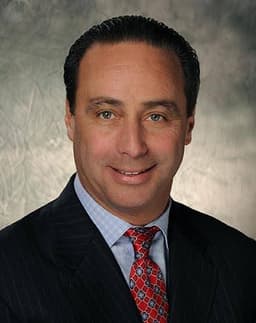
Jeffrey R. Schell, Managing Director, Whiteford Mountain West

Jeffrey R. Schell

Managing Director, Whiteford Mountain West

Denver, Colorado

Jeff Schell is a Denver-based partner at Whiteford and the Managing Director of Whiteford Mountain West. A Colorado attorney, he was named one of ColoradoBiz Magazine's 25 Most Influential Young Professionals in Colorado.

Masten Childers III, Partner · Trial Counsel, Personal Injury & Catastrophic Harm

Masten Childers III

Partner · Trial Counsel, Personal Injury & Catastrophic Harm

Whiteford national trial platform

Masten Childers III chairs Whiteford's Kentucky litigation practice and has been described as one of Kentucky's most formidable and versatile trial attorneys, with experience across state, federal, and appellate courts.

Paul M. Nussbaum, Partner · Senior Litigation Counsel

Paul M. Nussbaum

Partner · Senior Litigation Counsel

Whiteford national platform

Paul Nussbaum co-chairs Whiteford's Business Solutions, Restructuring & Financial Litigation section and co-manages the firm's New York City office, with decades of experience in high-stakes litigation involving multi-billion-dollar enterprises.

Attorneys are admitted in the jurisdictions listed in their official firm profiles. Colorado matters are led through Whiteford's Colorado-admitted attorneys; additional firm trial counsel appear in Colorado courts pro hac vice where appropriate and permitted.

Frequently asked questions

I'm getting workers' comp. Can I still sue someone for my construction injury?

You generally can't sue your own employer — that's the workers' comp trade-off — but you can sue anyone else whose negligence contributed: a general contractor, another subcontractor, an equipment manufacturer or lessor, a negligent driver, sometimes the property owner. That third-party claim covers what comp never pays, including pain and suffering and full lost earning capacity. Accepting comp benefits does not waive it. Whether a viable third party exists is usually the single most important question after a serious site injury.

What if my own mistake contributed to the accident?

Partial fault rarely ends a construction case. Colorado's comparative-fault rules reduce recovery in proportion to your share of blame and bar it only if your share is too great — and on multi-employer sites, fault usually spreads across several parties who controlled training, equipment, and site conditions. Defendants predictably overstate the worker's share. What looks like 'your mistake' often traces back to missing guardrails, absent fall protection, or pressure to work fast. Let the investigation allocate fault before you accept blame.

The scaffolding or equipment failed. Who's responsible?

Potentially several parties: the manufacturer if the design or production was defective, the rental company if it supplied poorly maintained equipment, the contractor responsible for assembly and inspection, or another trade that modified or overloaded it. These cases depend heavily on preserving the failed equipment itself — if it's repaired, scrapped, or returned to the lessor, critical evidence disappears. A preservation demand should go out immediately, which is one of the strongest reasons to involve counsel early.

Will filing a third-party claim affect my job or my comp benefits?

Colorado law prohibits retaliation for exercising workers' comp rights, and a third-party claim targets outside companies, not your employer. The claims do interact financially — your comp carrier will usually assert a repayment right against a third-party recovery — but that's a matter to negotiate and manage, not a reason to abandon the larger claim. Handled well, the combined result is almost always meaningfully better for your family than comp benefits alone.

How much does a Denver construction accident lawyer cost?

Consultations are free, and third-party injury cases are handled on contingency — fees and case costs come from the recovery, not your pocket, with terms in writing before you commit. Since you may already be receiving comp benefits, there's no pressure to decide quickly on the third-party side, though evidence preservation argues for at least an early conversation. Our free case estimator can also give you an educational first look at how these claims are valued.

What could a Denver case like yours be worth?

The free Colorado Case Value Snapshot walks through the factors that actually drive Colorado injury case value — severity, treatment, fault, and documented losses — and returns an educational range in about two minutes. No obligation, and no pressure. Want a real answer instead? Book a free Claim Game Plan Session and leave with a plan.

Educational estimate only — not legal advice, not a case valuation, and no attorney–client relationship is created.

Related Colorado injury resources