Whiteford

Colorado Springs · Motorcycle Accidents

Springs riders get hurt twice: once in the crash, and again when the insurer treats 'motorcyclist' as a synonym for 'reckless.' We deal with both.

You pay no fee unless we recover for you.Contingency representation for injury cases.

Free consultations — talk to us before you talk to an insurer

No fee unless we recover for you — contingency representation for injury cases

Denver based, with Whiteford's national trial platform behind every case

24/7 intake — a real conversation and a booked consultation, any hour

The riding around Colorado Springs is the reason many people own a bike here — Ute Pass climbing west out of town, the sweepers up to Cripple Creek, Gold Camp Road's old rail grades, the front-range roads that turn a Saturday into something worth remembering. Then a driver turns left across your lane on Academy, or drifts into you on Powers, and everything after happens at the speed of an ambulance.

What most riders don't expect is the second fight. Insurance adjusters — and some jurors — carry a quiet assumption that the person on the motorcycle must have been speeding, weaving, or asking for it. That bias shows up as blame-shifting, discounted offers, and skepticism about injuries that are, if anything, worse than a car occupant's from the same collision.

Whiteford Mountain West represents injured riders across the Pikes Peak region, backed by a national trial platform. This page covers where Springs riders actually get hurt, how the bias against motorcyclists gets defeated, and what military riders in particular should know.

Where Springs riders get hurt

The dangerous miles usually aren't the mountain ones. Canyon and pass rides demand skill, but the crash that puts a rider in Memorial's trauma unit most often happens in town — a driver turning left across a rider's right-of-way at an intersection, a lane change into a bike hidden in a mirror's blind spot, a distracted glance at the wrong moment on Powers or Academy. Intersection crashes at city speeds are devastating on a motorcycle.

The mountain corridors add their own patterns: gravel kicked onto the apex of a Ute Pass curve, tourists braking mid-corner on the Highway 67 run to Cripple Creek, and afternoon weather that turns pavement cold and slick fast. When a road hazard or another vehicle causes a mountain crash, evidence work has to start quickly — skid evidence fades, and witnesses were usually just passing through.

  • Left-turn collisions at city intersections are the classic serious motorcycle crash
  • US 24 through Ute Pass and CO 67 to Cripple Creek mix tourist traffic with demanding curves
  • Gravel, debris, and fast-changing mountain weather create hazards cars shrug off and bikes cannot
  • Powers and Academy lane-change crashes turn on witness accounts and camera footage that disappear quickly

Beating the bias against riders

Colorado's comparative-fault rules can reduce or bar recovery depending on how blame is allocated — which is exactly why insurers work so hard to put fault on the rider. The antidote is evidence, gathered before it evaporates: intersection camera footage, event-data from the car, gouge marks and debris fields, helmet and gear condition, and witnesses interviewed while memories are fresh.

It also takes a firm willing to try the case. Adjusters price motorcycle claims on the assumption that rider bias will follow the case into a courtroom and that most firms would rather discount than fight. A file built for trial — reconstruction, human story, and all — reverses that math. That's what a national trial platform is for.

Military riders, and how we approach your case

The Springs riding community is heavily military, and that helps more claims than it hurts. Riders from Fort Carson, Peterson, and the Academy typically complete required motorcycle safety training and follow base rules on gear — documented facts that directly rebut the 'reckless biker' narrative. Federal servicemember protections can also accommodate a claim when deployment or duty interferes, and treatment through military medicine creates reimbursement interests a settlement must handle correctly.

Wherever you ride, it starts the same way: a free consultation and an honest assessment, then fast movement on the evidence that decays. If you'd rather orient yourself before talking to anyone, our free case estimator gives an educational read on the factors that drive motorcycle-claim value — including the ones insurers hope you won't learn about.

Colorado law, current

What changed for Colorado injury claims in 2025

$1.5M

Higher cap on non-economic damages

For most Colorado tort cases filed on or after January 1, 2025, HB24-1472 raised the cap on non-economic damages (pain, suffering, loss of enjoyment) to $1,500,000 — adjusted for inflation every two years beginning in 2028. Economic damages such as medical bills and lost income are generally not capped.

$2.125M

Wrongful-death non-economic cap

The same law raised the non-economic cap in wrongful-death actions to $2,125,000 and, for the first time, allows siblings of the deceased to bring wrongful-death claims in certain circumstances. Medical-liability cases follow separate, phased caps.

2–3 yrs

Deadlines still apply — and vary

Colorado's filing deadlines are unforgiving: generally two years for most injury claims and three years for motor-vehicle claims, with much shorter notice windows (182 days) for claims against government entities. Exceptions exist in both directions — confirm your specific deadline with an attorney promptly.

Sources: Colorado HB24-1472 (2024); C.R.S. §§ 13-21-102.5, 13-21-203, 13-80-101 et seq., 24-10-109. This summary is general information, not legal advice; amounts are subject to statutory adjustment and case-specific exceptions.

Not another "free consultation"

The Claim Game Plan Session

30 minutes with our Colorado team. You leave with a plan — whether or not you hire us.

You pay no fee unless we recover for you.

Contingency-fee representation for injury cases — fee structure and any case costs explained clearly, in writing, before you sign anything.

Your deadline check

Exactly which Colorado filing deadlines apply to your claim type — and how much runway you actually have.

Evidence-preservation checklist

What to save, photograph, and request right now for your specific incident type, before it disappears.

A straight answer

Whether your case actually needs a lawyer. If you'd do fine on your own, we'll tell you so — for free.

The insurer-conversation briefing

What recorded statements do, what adjusters listen for, and how people accidentally shrink their own claims.

You leave with all four — whether or not you ever hire us. No pressure, no obligation, no fine print.

How it works

A clear process, from first contact to resolution

01

Tell us what happened

A free, confidential conversation — or start with the two-minute case estimator. We listen first; there is no obligation and no pressure.

02

We investigate and preserve

Evidence disappears fast: camera footage gets overwritten, vehicles get repaired, witnesses scatter. We move early to preserve what proves your case.

03

We build the full value picture

Medical costs, future care, lost income, and the human losses Colorado law now values more fully. Insurers discount what isn't documented — we document.

04

Negotiate from strength — try when needed

Most cases resolve by negotiation. When an insurer won't be reasonable, your case is backed by a national trial platform that is genuinely prepared to go to court.

Your legal team

A Denver front door. A national trial platform.

Whiteford Mountain West pairs Colorado-based leadership with the trial depth of Whiteford's full national litigation platform — so serious cases get serious resources.

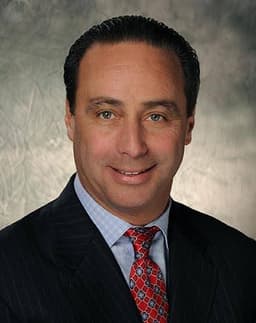
Jeffrey R. Schell, Managing Director, Whiteford Mountain West

Jeffrey R. Schell

Managing Director, Whiteford Mountain West

Denver, Colorado

Jeff Schell is a Denver-based partner at Whiteford and the Managing Director of Whiteford Mountain West. A Colorado attorney, he was named one of ColoradoBiz Magazine's 25 Most Influential Young Professionals in Colorado.

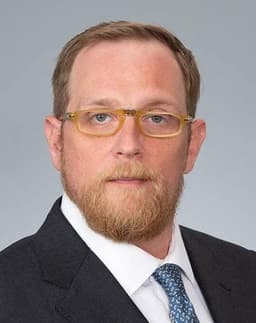
Masten Childers III, Partner · Trial Counsel, Personal Injury & Catastrophic Harm

Masten Childers III

Partner · Trial Counsel, Personal Injury & Catastrophic Harm

Whiteford national trial platform

Masten Childers III chairs Whiteford's Kentucky litigation practice and has been described as one of Kentucky's most formidable and versatile trial attorneys, with experience across state, federal, and appellate courts.

Paul M. Nussbaum, Partner · Senior Litigation Counsel

Paul M. Nussbaum

Partner · Senior Litigation Counsel

Whiteford national platform

Paul Nussbaum co-chairs Whiteford's Business Solutions, Restructuring & Financial Litigation section and co-manages the firm's New York City office, with decades of experience in high-stakes litigation involving multi-billion-dollar enterprises.

Attorneys are admitted in the jurisdictions listed in their official firm profiles. Colorado matters are led through Whiteford's Colorado-admitted attorneys; additional firm trial counsel appear in Colorado courts pro hac vice where appropriate and permitted.

Frequently asked questions

The driver who hit me says I 'came out of nowhere.' What does that mean for my claim?

It's the most common sentence in motorcycle claims, and it usually means the driver didn't look — motorcycles are smaller in mirrors and easier to miss, which is a visibility problem, not a rider fault. Expect the insurer to build on it anyway. The response is physical evidence: camera footage, vehicle data, crash reconstruction, and witnesses, gathered early. Cases with preserved evidence turn 'came out of nowhere' into an admission rather than a defense.

I wasn't wearing a helmet. Do I still have a case?

Yes. Colorado does not require adult riders to wear helmets, and not wearing one doesn't make the driver who caused the crash less at fault. Expect the insurer to argue your injuries would have been lesser with a helmet — an argument that applies, at most, to certain head injuries and not to the rest of your losses. It's a fight about damages, not about whether you have a claim, and it's a fight experienced counsel handles regularly.

What if gravel or a road hazard caused my mountain crash?

These cases are harder but far from hopeless. The questions are who created or should have addressed the hazard — a construction crew, a private property owner, a government road authority — and whether their conduct was negligent. Claims against government entities follow special rules with much shorter notice deadlines than ordinary cases, so timing matters enormously. Photograph everything, note the exact location, and get legal advice quickly rather than assuming a single-vehicle crash means no claim.

I'm active duty at Fort Carson. Does that change anything?

Mostly in your favor. Base-required rider safety training and gear rules give you documented evidence of responsible riding. Federal protections can accommodate the claim if deployment or duty interferes with litigation. And if your care ran through military medicine or TRICARE, the government's reimbursement interest needs correct handling at settlement — routine work for counsel familiar with military claims. Mention your status and any deployment timeline in the first conversation so the case is structured around it.

How much does a motorcycle accident lawyer cost in Colorado Springs?

Consultations are free, and representation is typically contingency-based — fees come from the recovery, not your pocket, on terms explained before you sign anything. Motorcycle cases in particular tend to be undervalued by insurers betting on rider bias, so the gap between a first offer and a properly built case is often substantial. If you want an educational starting point first, our free case estimator walks through what actually drives value.

What could a Colorado Springs case like yours be worth?

The free Colorado Case Value Snapshot walks through the factors that actually drive Colorado injury case value — severity, treatment, fault, and documented losses — and returns an educational range in about two minutes. No obligation, and no pressure. Want a real answer instead? Book a free Claim Game Plan Session and leave with a plan.

Educational estimate only — not legal advice, not a case valuation, and no attorney–client relationship is created.

Related Colorado injury resources